Custom Vinyl Stickers vs Labels: What’s Better for Packaging?
 Splash Colour Imaging
Standing in front of shelves crowded with competing products, your packaging has mere seconds to capture attention, communicate quality, and convince customers to choose your brand. The decision between custom vinyl stickers and traditional labels might seem minor, but it profoundly impacts how your product presents itself to the world, and ultimately, how successfully it sells.
Both options serve the fundamental purpose of identifying and branding your products, yet they differ significantly in materials, durability, aesthetic possibilities, cost structures, and practical applications. Understanding these distinctions empowers you to make informed choices that align with your brand values, budget realities, and customer expectations.
Let’s explore the nuanced differences between custom vinyl stickers and labels, examining when each option shines and how to determine which best serves your packaging goals.
Understanding the Fundamental Differences
Before diving into comparisons, it’s essential to clarify what distinguishes vinyl stickers from labels, as terminology can be confusing.
Custom Vinyl Stickers
Vinyl stickers are printed on durable polyvinyl chloride (PVC) material, typically with a permanent adhesive backing. They’re designed to withstand environmental challenges; moisture, UV exposure, temperature fluctuations, whilst maintaining vibrant colours and adhesion. The vinyl material itself is thicker and more substantial than paper-based alternatives.
Labels
“Labels” is a broad term encompassing various materials and applications. Labels can be made from paper, polyester, polypropylene, or even vinyl. When people contrast vinyl stickers with “labels,” they typically mean paper-based labels or thinner synthetic materials designed primarily for indoor use or temporary applications.
The key distinction: whilst all vinyl stickers are technically labels, not all labels are vinyl stickers. The comparison really centres on material durability, intended use environment, and aesthetic presentation.
Material Durability: Where Vinyl Excels
Perhaps the most significant advantage custom vinyl stickers offer is exceptional durability. Research from packaging industry studies indicates that vinyl materials can outlast paper labels by 3-5 times in outdoor or challenging environments.
Weather Resistance
Vinyl’s inherent properties create natural barriers against:
- Moisture and humidity: Vinyl doesn’t absorb water, preventing the degradation, peeling, and adhesive failure that plague paper labels in damp environments
- UV exposure: Quality vinyl formulations resist fading from sunlight, maintaining colour vibrancy for years
- Temperature extremes: From freezer conditions to hot vehicles, vinyl maintains adhesion and appearance
This durability makes vinyl the obvious choice for products facing environmental challenges, outdoor equipment, beverages stored in coolers, cosmetics in humid bathrooms, or any item potentially exposed to the elements.
Scratch and Abrasion Resistance
Vinyl’s tough surface resists scratching better than paper alternatives. For products experiencing handling during shipping, storage, or retail display, this resistance ensures your branding remains pristine until it reaches customers’ hands.
Traditional paper labels, even with lamination, show wear more readily. Consider products stacked in warehouses, jostled during transport, or handled repeatedly by retail staff, vinyl maintains professional appearance through these challenges.
Cost Considerations: Investment vs Budget
Cost differences between vinyl stickers and labels vary based on quantity, size, complexity, and finish requirements.
Short-Run Economics
For small quantities (under 500 units), digital printing technology has made both options relatively affordable. However, vinyl typically costs 20-40% more than paper labels due to:
- Premium material costs
- Longer printing preparation times
- Specialised cutting requirements
For startups testing products or small batch producers, this cost difference matters. Paper labels might represent the practical choice when durability isn’t critical.
Long-Run Value
When evaluating costs, consider total value rather than just upfront expense. Vinyl’s durability means:
- Reduced replacement costs from damaged labels
- Fewer customer complaints about deteriorated packaging
- Enhanced brand perception through consistently professional appearance
- Potential for reduced product returns due to illegible information
A product that sits on shelves for months or years benefits enormously from vinyl’s longevity. The initial cost premium often proves economical over the product lifecycle.
Aesthetic Possibilities: Where Both Shine Differently
Both vinyl stickers and labels offer excellent printing quality and design flexibility, but they create different visual and tactile impressions.
Vinyl’s Premium Feel
Custom vinyl stickers communicate quality through:
- Thickness and substance: Customers notice the tactile difference when handling products
- Colour vibrancy: Vinyl accepts ink beautifully, delivering rich, saturated colours
- Finish options: Glossy finishes create eye-catching shelf appeal; matte finishes offer sophisticated elegance
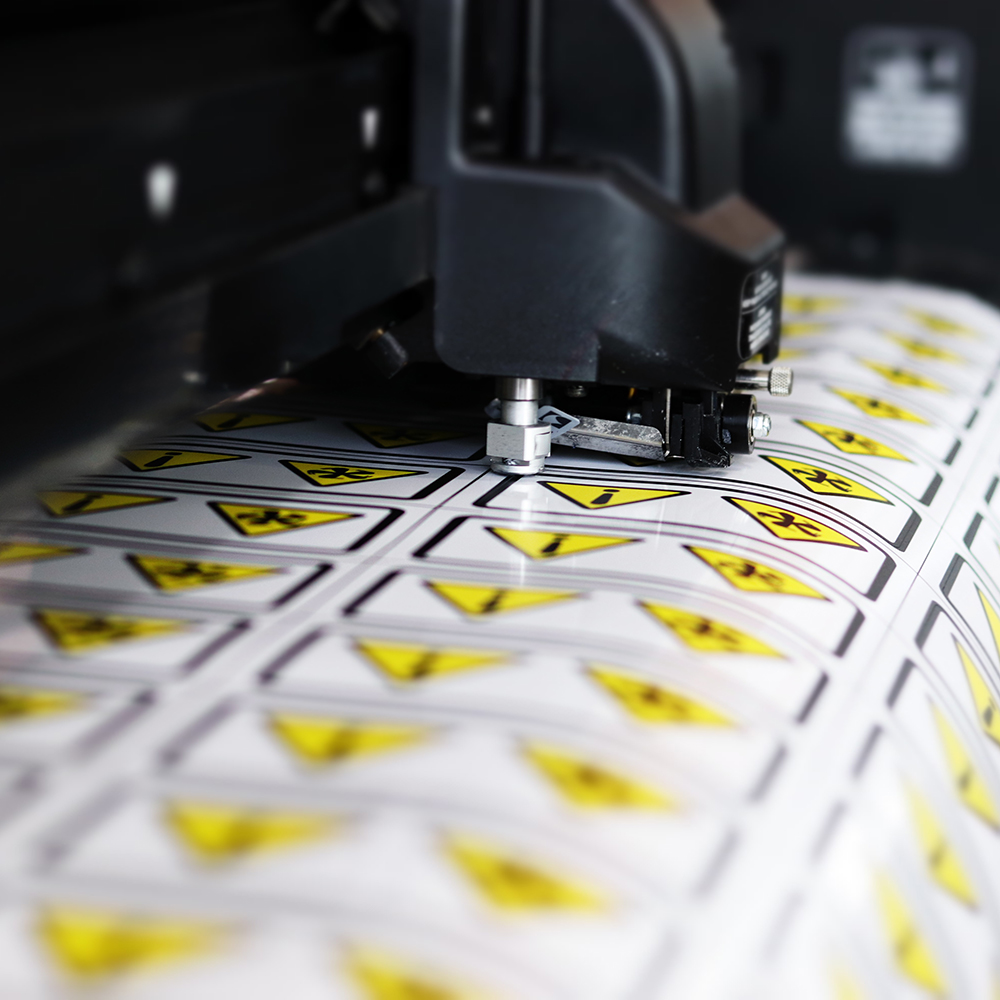
- Die-cut possibilities: Vinyl handles complex shapes excellently, enabling unique brand expressions
Brands positioning themselves as premium, durable, or outdoor-focused benefit from vinyl’s inherent quality signals.
Labels’ Versatility
Traditional labels offer their own aesthetic advantages:
- Natural, organic appearance: Kraft paper labels communicate sustainability and artisanal quality
- Textured finishes: Paper accepts embossing and special finishes that create distinctive tactile experiences
- Cost-effective experimentation: Lower costs enable frequent design iterations and seasonal variations
- Traditional appeal: Some products benefit from classic paper label aesthetic
Application Environments: Matching Material to Use Case
The intended use environment largely determines which option serves best.
| Application | Best Choice | Reasoning |
| Beverages in coolers/ice | Vinyl stickers | Moisture resistance prevents peeling and illegibility |
| Outdoor equipment | Vinyl stickers | UV and weather resistance maintain the appearance |
| Cosmetics/bathroom products | Vinyl stickers | Humidity resistance in steamy environments |
| Artisanal food products | Paper labels | Natural aesthetic aligns with craft positioning |
| Indoor retail products | Either | Choice based on brand positioning and budget |
| Temporary promotions | Paper labels | Cost-effective for short-term applications |
| Children’s products | Vinyl stickers | Durability withstands rough handling |
| Refrigerated/frozen goods | Vinyl stickers | Maintains adhesion in cold, condensation-prone environments |
Adhesive Considerations
Both vinyl stickers and labels offer various adhesive options, but understanding these choices ensures successful application.
Permanent Adhesives
Most custom vinyl stickers feature permanent adhesives designed to create lasting bonds with surfaces. This works perfectly for product packaging intended to remain intact through the product lifecycle.
Permanent adhesives suit:
- Retail products requiring lasting identification
- Items experiencing environmental challenges
- Applications where removal isn’t necessary or desired
Removable Adhesives
Some applications benefit from removable adhesives that leave minimal residue:
- Temporary promotions or seasonal packaging
- Reusable containers where customers might want clean removal
- Products where end-users might apply stickers to personal items
Both vinyl and paper labels can utilise removable adhesives, though vinyl’s material strength makes removal cleaner and easier.
Printing Technology and Minimum Orders
Production considerations affect both options differently.
Digital Printing Revolution
Modern digital printing has democratised custom sticker and label production. Small businesses can now order quantities as low as 50-100 units at an affordable price, making both vinyl stickers and labels accessible.
Splash Colour leverages digital printing technology to deliver professional results without the massive minimum orders traditional printing requires. This accessibility enables startups and small producers to present professionally branded products from day one.
Traditional Offset Printing
For large quantities (5,000+ units), offset printing often provides better per-unit economics for both materials. However, setup costs make this practical only for established products with predictable demand.
The Quality Conversation
Beyond material considerations, quality printing and design matter enormously for both options. Poorly designed vinyl stickers don’t automatically look better than expertly crafted paper labels. Conversely, beautifully designed paper labels might serve your needs perfectly despite vinyl’s technical advantages.
Working with experienced printing specialists ensures:
- Appropriate material recommendations for your specific application
- Professional design that maximises impact
- Technical specifications that ensure successful production
- Colour accuracy that represents your brand faithfully
Your Packaging Deserves Thoughtful Choices
The vinyl sticker versus label decision isn’t about one option being universally “better”, it’s about understanding which serves your specific needs most effectively. Vinyl stickers offer unmatched durability and premium presentation for products facing challenging environments or requiring long-lasting quality. Traditional labels provide cost-effective solutions with unique aesthetic possibilities for appropriate applications.
The best choice aligns material properties with your product’s requirements, brand positioning, budget realities, and customer expectations. Take time to evaluate these factors thoughtfully. Your packaging works hard to attract customers, communicate value, and protect brand reputation; it deserves materials and design that support these vital functions.